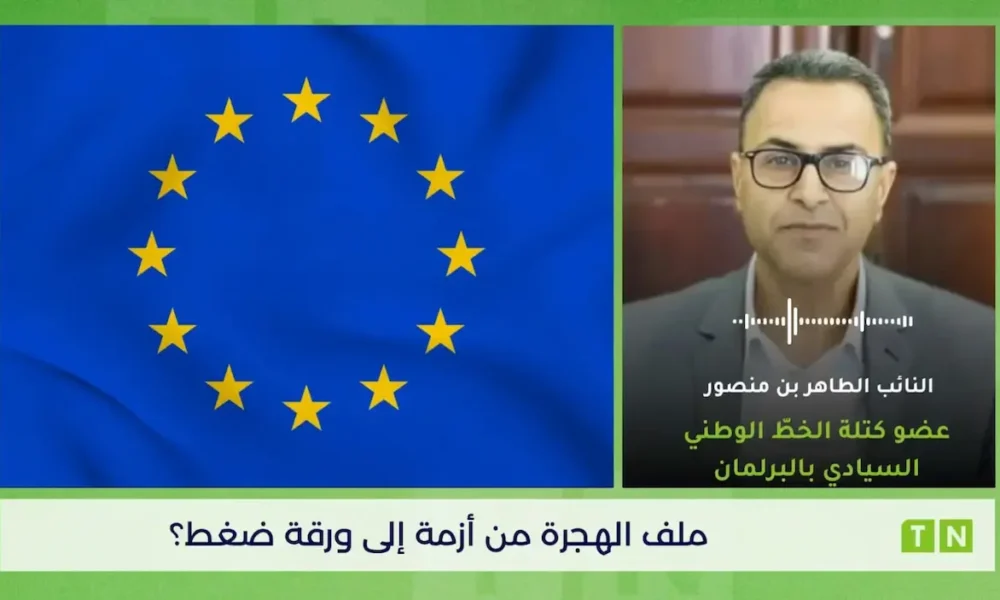
The cereal collection rate reached 58%, according to representatives of the Ministry of Agriculture, Hydraulic Resources and Fisheries, cited by the deputy and member of the Agriculture Committee and member of the sovereign nationalist parliamentary bloc the National Line Taher Ben Mansour. In a statement to Tunisia Digital, he indicated that the campaign had started in August and was set to continue until December 31, 2026.
Seeds and fertilizers: the ministry’s assurances
According to Taher Ben Mansour, representatives of the ministry assessed the needs for certified seeds of wheat, barley and triticale at more than 500,000 quintals. They stated that the ministry was able to supply them.
The issue of fertilizer availability, which had posed a problem during the previous campaign, was also addressed. The representatives of the ministry assured that the necessary quantities were available and that collection, transport and storage operations were ready.
The deputy calls for a review of the cereal policy
While hoping for a good campaign, Ben Mansour believes that Tunisian cereal policy must be reexamined. He notes that the country concentrates on durum wheat while it imports nearly 95% of its soft wheat needs, used notably for bread, pasta and pastries.
The deputy also questioned Tunisia’s ability to maintain its cereal supplies in a context of crises affecting several straits. He calls for revising the agricultural strategy taking geopolitical developments into account.
Agricultural map and Water Code
Taher Ben Mansour also advocates revising the country’s agricultural map. According to him, this approach requires revising the Water Code.
He also indicated that the Ministry of Agriculture had launched a general digital agricultural census, which he considers an important step. He nevertheless stressed the need to restore trust between farmers and state institutions.
Tunisian olive oil exported 90% in bulk
Regarding olive oil, Ben Mansour stated that oil bottled under Tunisian brands accounted for about 10% of the sector’s Tunisian exports. The remaining 90% would be exported in bulk.
He believes that strengthening Tunisian brands on foreign markets requires more active economic diplomacy. He mentioned vacancies in nearly 40 diplomatic representations and estimated that the link between economic, diplomatic and political files could strengthen Tunisia’s position in a context of competition for markets and interests.
The objective, according to his remarks, is specifically to prevent Tunisian olive oil from being exported without a national brand.
The migratory dossier as a bargaining lever
The deputy believes that each party should rely on the means it has in negotiations. “Begging will bring nothing,” he said, calling on Tunisia to use the irregular migration dossier to obtain concessions from the European Union.
According to him, this approach is a political decision and requires a strong and effective diplomatic representation. It cannot rest solely on the National Oil Office or the Ministry of Agriculture.