The decision announced by Donald Trump to impose a naval blockade around the Strait of Hormuz marks a new strategic rupture in the Middle East crisis and revives the specter of a large-scale global energy shock.
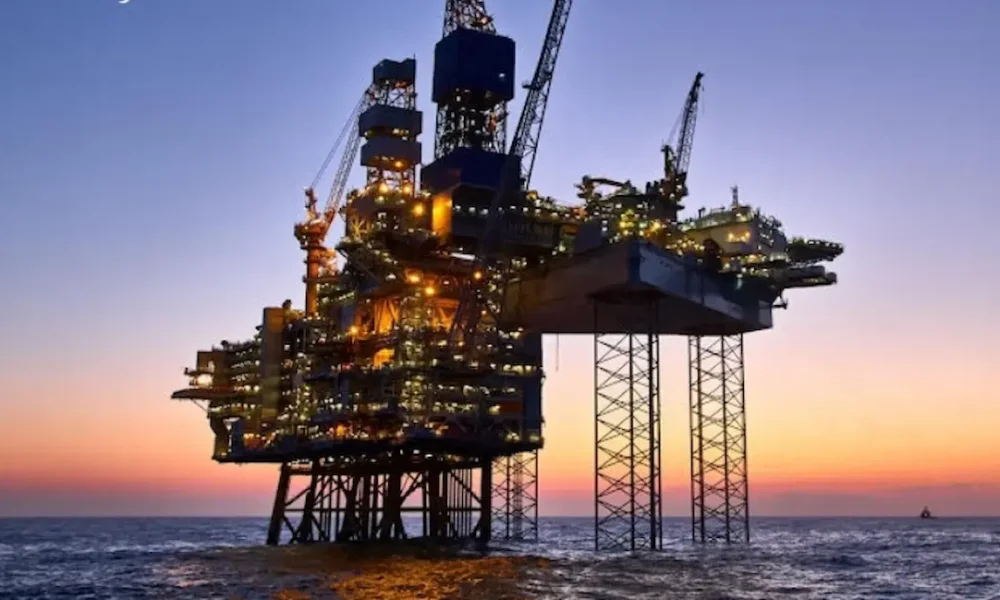
This maritime corridor, through which nearly a fifth of global oil flows was still passing until recently, constitutes one of the vital arteries of international energy trade. Any lasting disruption to its operation instantly reconfigures the balances of global markets.
Investors reacted immediately by propelling Brent beyond the symbolic threshold of $100 per barrel, rekindling the fear of a structural return to a worldwide inflationary environment. Markets now anticipate a more pronounced contraction of supply from the Gulf, even as tensions had already sharply reduced regional energy flows since the onset of hostilities.
Beyond oil, commodity markets as a whole are experiencing a contagion effect. Prices of liquefied natural gas, fertilizers, petrochemical products, and industrial raw materials are rising, intensifying pressure on global production chains.
A Global Economy Still Vulnerable
Undoubtedly, the world economy appears structurally better equipped than at the time of the oil shocks of the 1970s. According to data from the World Bank and the International Energy Agency, the oil intensity of global GDP has fallen by nearly 60% over five decades, signaling a much lower energy dependency for advanced economies. Massive investments in renewables, nuclear power, and energy efficiency have enabled a gradual diversification of the global energy mix.