The Assembly of the People’s Representatives will hold, on Monday 20 and Tuesday 21 April 2026, two plenary sessions dedicated to both the oversight of government action and the examination of a bill with an economic scope.
The first session is scheduled for Monday, 20 April 2026 from 10:00 a.m. and will be devoted to addressing oral questions to the Minister of Transport, Rachid Amri.
Oral questions to the Minister of Transport
This session falls within the Parliament’s oversight role, allowing MPs to question the Minister of Transport on several files related to his department.
The exchanges are expected to focus notably on the challenges of the transport sector in Tunisia, whether regarding public services, infrastructure, or structural issues affecting this strategic field.
A second session on a bill and a new round of questions
The following day, Tuesday 21 April 2026, a second plenary session will also be held from 10:00 a.m., with an agenda structured around two main points.
The first point concerns the examination of the report by the Finance and Budget Committee on the bill approving the loan agreement concluded on 16 October 2025 between the Tunisian Republic and the Arab Fund for Economic and Social Development.
This loan is intended to contribute to financing the project for the renovation and modernization of railway lines dedicated to phosphate transport, and is referenced under number 06/2026.
Funding to modernize phosphate transport
This project fits within a strategy to improve the performance of the railway network, particularly for phosphate transport, a key sector of the Tunisian economy.
The aim is to strengthen logistical efficiency, optimize flows, and support the competitiveness of this strategic sector.
Oral questions to the Minister of the Economy
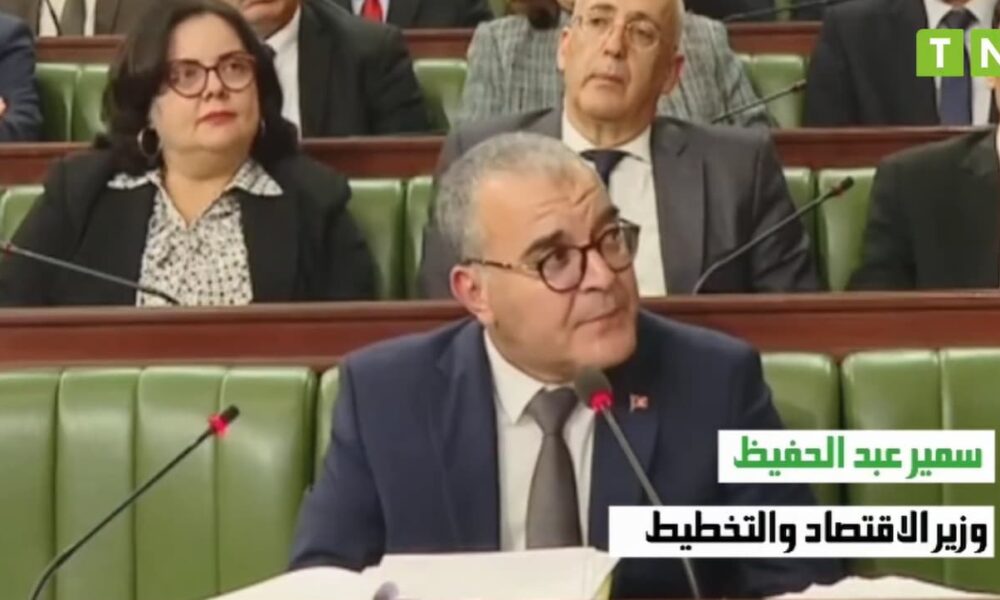
The second point on the agenda will be devoted to addressing oral questions to the Minister of the Economy and Planning, Samir Abdelhafidh.
The MPs should thus address several themes related to the government’s economic policies and the planning orientations adopted by the government.