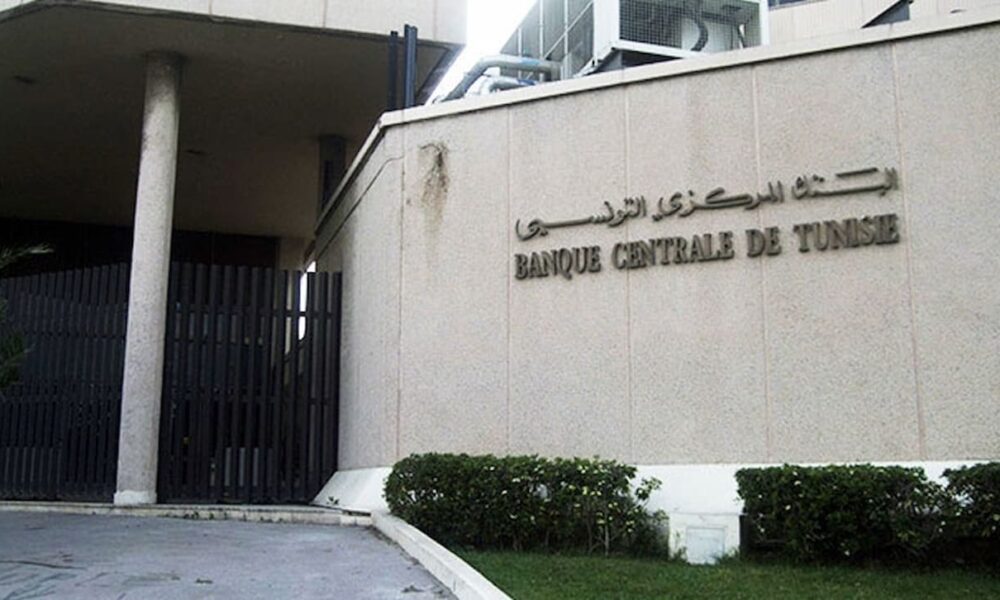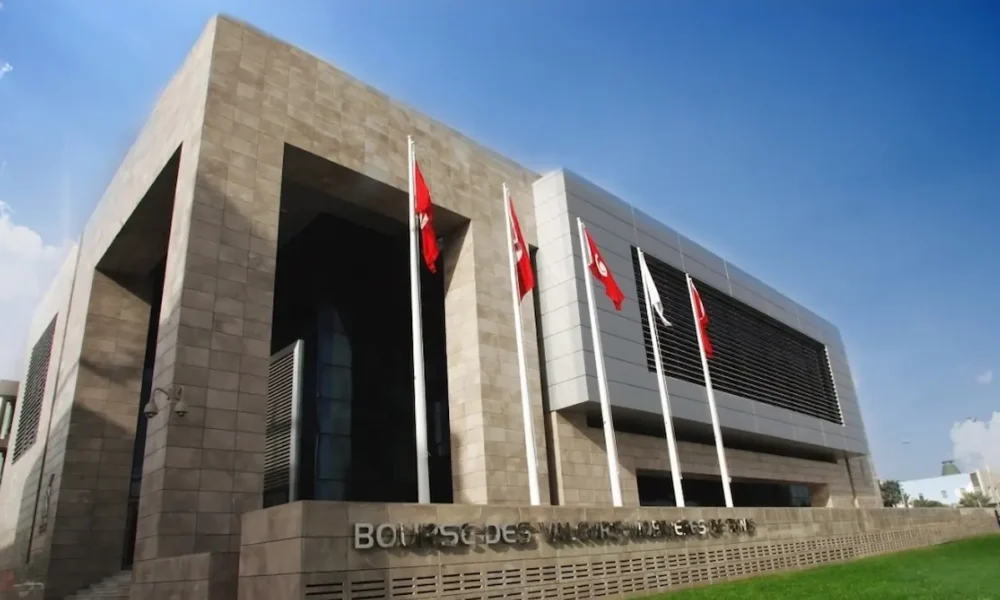
On June 28, 2026, an electrical-origin incident affected certain infrastructures of the main data center of the Tunis Stock Exchange (BVMT). According to the press release issued at the request of the Financial Market Council (CMF), investigations are ongoing to determine the exact causes.
In accordance with its Business Continuity Plan (BCP), BVMT activated its backup site. The trading sessions of June 29, June 30 and July 1, 2026 took place there, before a return to normal on the main site announced on July 2.
Beyond the incident itself, this episode constitutes a case study on the resilience of critical digital infrastructures. Was BVMT’s reaction the right one? Largely yes regarding the response. But the incident raises a real question of prevention.
A continuity plan that proved its worth
The first lesson is positive: the continuity setup was not merely theoretical. It allowed three days of trading in real-market conditions, without major interruption to the operation of the stock exchange.
This point is essential. In many organizations, contingency plans exist on paper but reveal their flaws when they must be activated: poorly synchronized data, missing licenses, insufficient network capacity, incomplete procedures, or inadequately trained teams.
In the BVMT case, the switchover to the backup site allowed it to absorb the shock. This lends weight to the idea of an operational BCP, and not a mere compliance document. This robustness is consistent with the ISO 22301 certification, dedicated to business continuity, which BVMT had announced obtaining in May 2024.
Communication, relayed via the CMF, was also broadly correct. The release acknowledged the existence of limited disruptions during the first days, specified the timetable for the return to normal, and expressed regret toward market participants.