Four Arab countries, two shores, a quantified objective: reach 1 terawatt, i.e., 1000 gigawatts, of installed clean energy capacity in the region by 2030. Behind this ambition lies a reality well known to electricians: generating green power is useless if the grid cannot absorb or export it. Tunisia, with its interconnection project to Italy, stands at the heart of this equation.
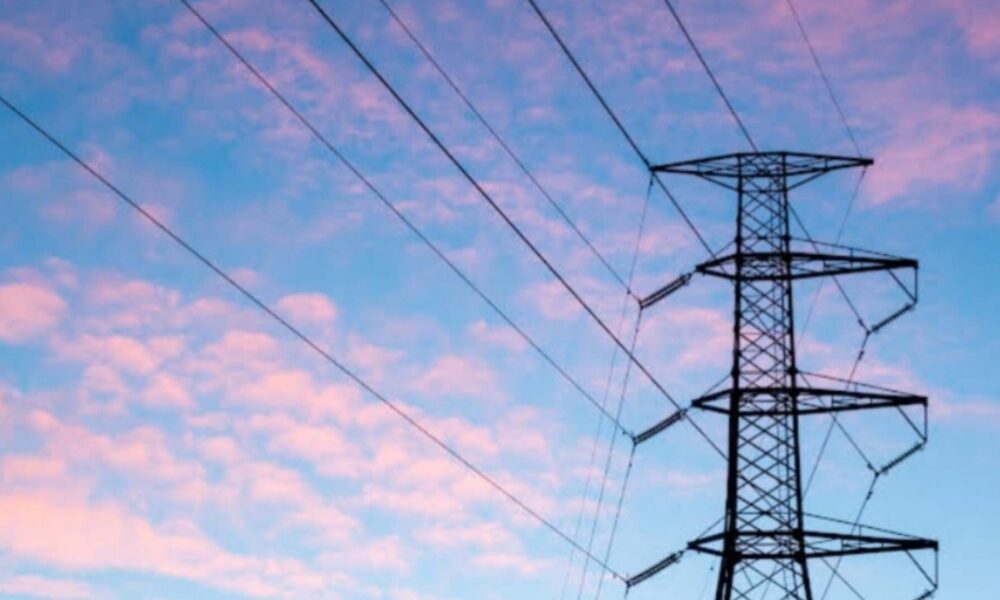
The challenge goes beyond the sum of solar panels and wind turbines. These sources produce electricity variably. The real value of each installed megawatt therefore depends on the capacity of grids to transfer excess power from one market to another and to remove the constraints that hinder new projects. The energy transition is won as much on the line as on the rooftop.
According to information consulted by the specialized platform “Attaka.net,” based in Washington and dedicated to energy affairs, Egypt, Tunisia, Morocco and Algeria are among the countries covered by a regional initiative aimed at leveraging solar and wind resources. At the same time, electricity transmission projects between North Africa and Southern Europe are progressing at uneven paces.
Antalya: a partnership aiming for 2027
On Tuesday, November 10, 2026, the Union for the Mediterranean and the TeraMed initiative announced a new regional partnership, according to a Union communiqué published during the United Nations climate conference, COP31, held in Antalya, Turkey.
Its ambition is to transform the region’s renewable energy targets into executable projects. Three obstacles are targeted: the disparity of policies, the need for common technical studies, and the difficulty of mobilizing funding for cross-border projects. A memorandum of understanding still needs to be finalized and signed. It will provide a framework and prepare the start of implementation in 2027.
TeraMed: a method before a project