Tunisia began 2026 with a slight improvement in its external balances.
According to the latest balance of payments data, the current account deficit was limited to 1.8 billion dinars in the first quarter, equivalent to 1% of the reference annual GDP. When scaled to the full year, this pace would correspond to a deficit close to 4% of GDP, compared with an annualised level of about 5.2% at the same period in 2025, when the quarterly ratio stood at 1.3%.
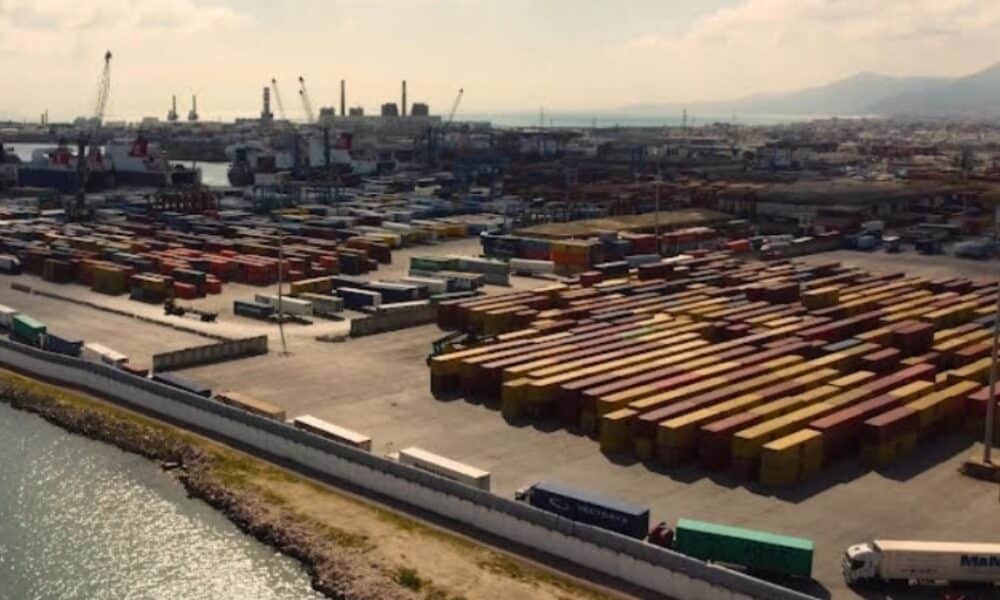
This improvement, however, remains largely cyclical. It does not reflect a structural rebound in external trade nor a significant gain in competitiveness. The goods trade deficit remains deeply rooted in the Tunisian economy, driven by energy dependence, the weakness of high value-added exports, and a productive base still not well integrated into global value chains.
The first quarter of 2026 benefited mainly from exceptional support coming from the income balance, whose surplus rose by 37.5% to reach 1.8 billion dinars. This item, often relegated to the background in macroeconomic analyses, has become one of the main cushions for Tunisia’s external imbalances.
The Tunisian diaspora, pillar of external stability
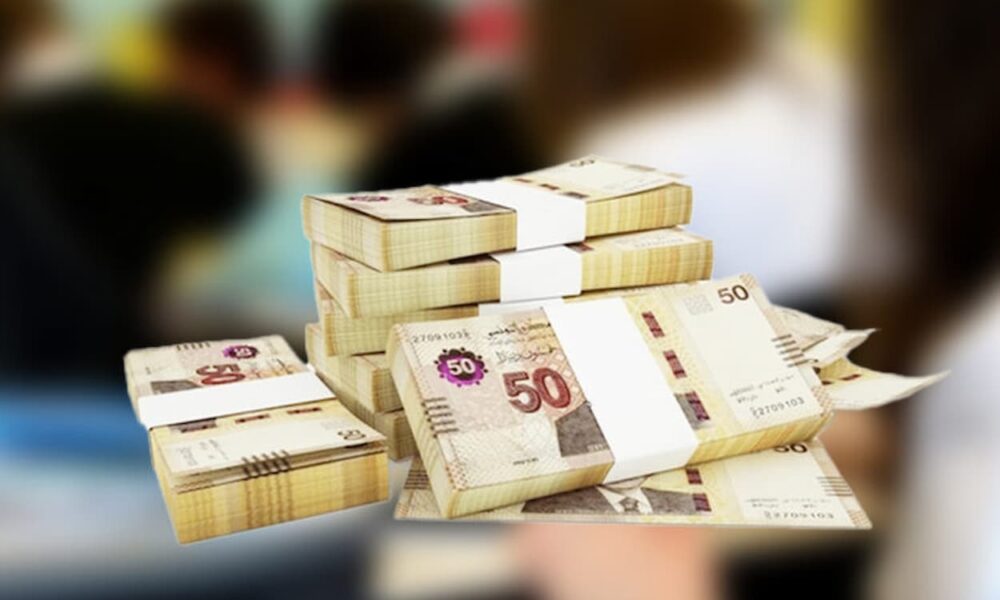
The growth in earnings from work confirms the central role of the diaspora in the country’s financial resilience. Transfers by Tunisians living abroad rose by 10.4% to reach 2.7 billion dinars in the first three months of the year.