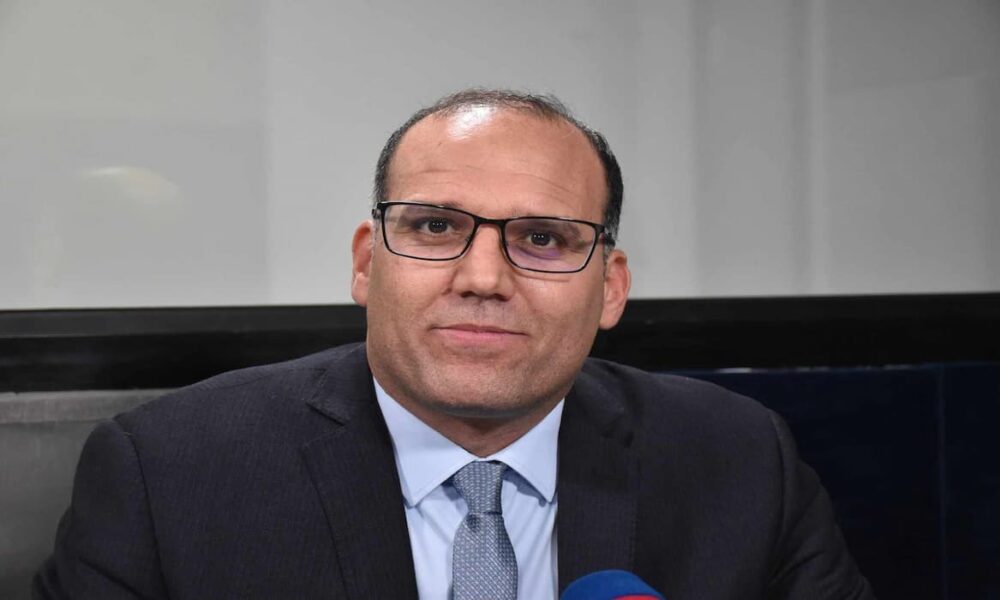
For the Tunisian academic economist Dr. Aram Belhadj, the evolution of inflation in Tunisia reveals worrying indicators. He notes in particular an increase in the inflation rate calculated not only year-over-year, but also quarter-over-quarter, and this simultaneously, while the gap between prices of free-market products and administered products continues to widen.
Dr. Aram Belhadj explains, in a statement granted to Tunisia Digital, that these evolutions highlight a deep structural issue, particularly apparent during the summer through electricity outages and disruptions in water distribution in several regions, which has further complicated the economic situation.
He emphasizes that these interruptions have affected several fields and sectors as well as productivity, causing disruptions at the level of supply and, consequently, directly impacting prices.
Uncertain and Concerning Inflation Outlook
Regarding inflation prospects, Dr. Aram Belhadj described them as “unclear and concerning,” especially as the deadline related to the 2027 finance law approaches, and in a context of maintaining the major announced orientations, particularly those related to the social state.
He explained that these orientations, which involve among other things a rise in the level of subsidies and aid to families, could exert additional pressures, while geopolitical tensions persist. In this context, Dr. Aram Belhadj estimates that the inflation rate could reach 6% at the beginning of 2027.
Regarding growth, the economist considers that an expected rate of about 2.3%, parallel to the persistence of inflationary pressures, means that Tunisia is going through a phase that could be described as “stagflation.”
Dr. Aram Belhadj also estimated that it would have been possible to better control inflation if the rise in the quantity of banknotes and coins in circulation, in other words cash, could have been contained. According to him, this factor has also contributed directly to the progression of inflation.
Finally, on monetary policy, Dr. Aram Belhadj considers that the current situation could compel the Central Bank of Tunisia (CBT), in the best case, to maintain its policy rate at 7%, or to raise it by at least 25 basis points in order to face inflationary pressures.