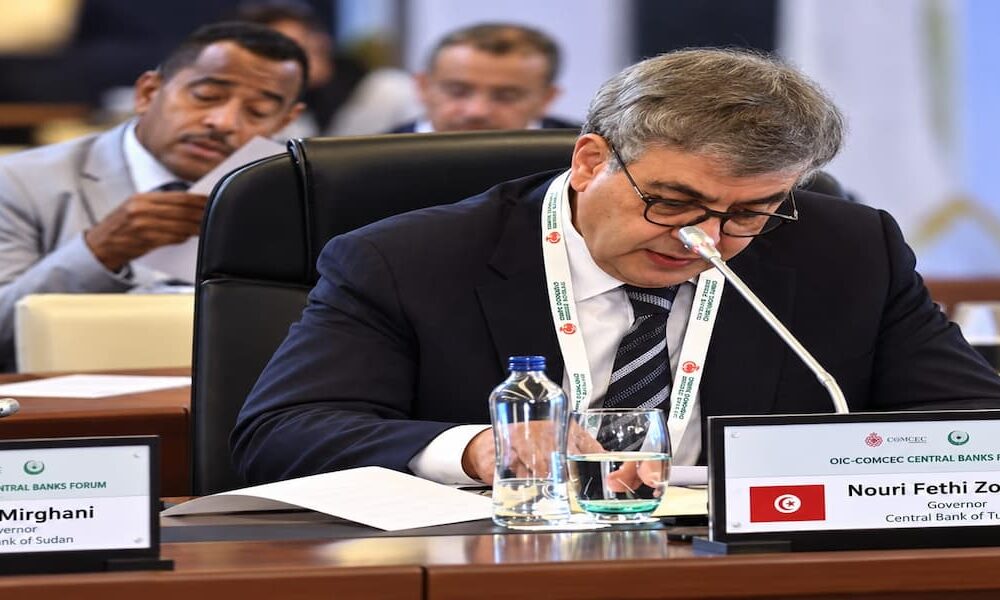
“Tunisia has not been involved in any conflict. But our food security depended on it,” summarized Fethi Zouhaier Nouri, Governor of the Central Bank of Tunisia (BCT), while referring to the impact of geopolitics on economies, on the occasion of the 8th meeting of the Forum of Central Banks of the OIC-COMCEC, held in Istanbul on September 13-14, 2026.
The meeting was devoted to the theme “Geopolitical Shocks and Macro-Economic Resilience: Monetary Policy Responses to the Fragmentation of the Global Economy.”
The Governor of the BCT, according to a BCT communiqué, called for measuring geopolitical exposure not by kilometers, but by the number of economic channels that connect an economy to the consequences of crises.
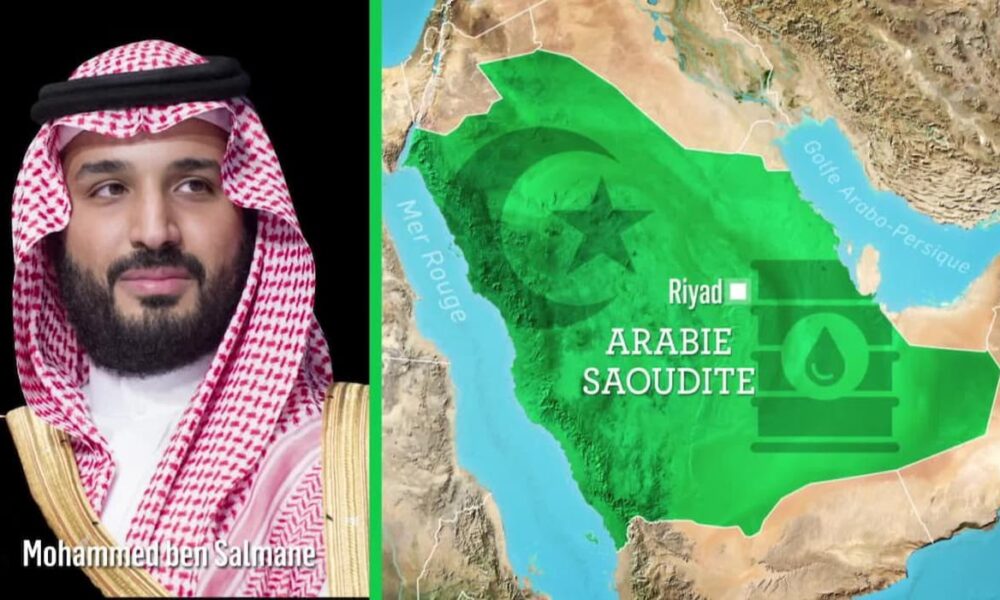
And he added: Tunisia offers a direct illustration. By the end of June 2026, the energy deficit reached nearly seven billion dinars, up 35% year on year, while the price of a barrel rose by fourteen dollars in twelve months against the backdrop of tensions in the Middle East. In 2022, 55% of the imported wheat came from Russia and Ukraine.
Crises, he stressed, are no longer sequential: they overlap. Energy shock and food shock, geopolitical risk and climate risk, trade fragmentation and financial tightening arrive often before the margins of maneuver consumed by the previous crisis have been rebuilt. Hence a shift in the profession: “It is no longer enough to know how to absorb a shock. One must be able to foresee the next one.”