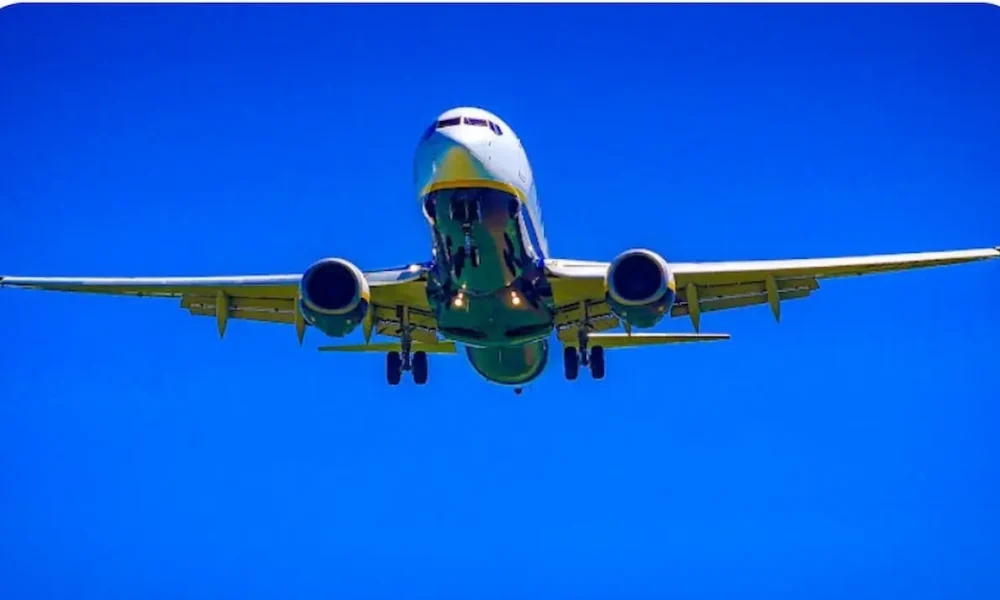
The International Air Transport Association (IATA) warned that postponing aircraft orders by Middle Eastern airlines, due to the repercussions of the war with Iran and the rise in aviation fuel prices, would be a costly long-term decision, according to Reuters.
Kamil Al-Awadhi, IATA’s regional vice president for Africa and the Middle East, told reporters that he did not expect the war and rising costs to affect the region’s carriers’ aircraft orders. He noted that long delivery times make any postponement impractical in practice.
« This is not wise, because postponing will cost you dearly, » he stated, referring to the long wait times to receive aircraft. The region’s airlines are indeed among the main customers of Boeing and Airbus, which places their fleet decisions under close scrutiny in the global aviation sector.
These remarks were made on the sidelines of IATA’s annual general meeting, which is taking place this weekend in Rio de Janeiro. Given the wait times for Airbus’s latest single-aisle generation, operators would have to wait years to receive their aircraft, according to Al-Awadhi.
The official stressed that carriers would continue their expansion plans despite the current turbulence: “The objective is to continue on the same trajectory, even if we are going through a difficult period,” he added.
Why carriers refuse to delay
Delaying a delivery does not only mean temporarily giving up on expansion. It often forces a carrier to keep older aircraft longer, which are more expensive to maintain and more fuel-hungry.
In a context of expensive jet fuel, this choice can negate part of the savings sought. The sector’s supply difficulties—delivery delays and parts shortages—had already cost airlines about $11 billion last year, according to IATA.
These remarks come as airlines worldwide trim their schedules and raise ticket prices and charges to cope with rising costs. Passengers are expected to continue paying high fares for months, as carriers struggle to absorb the surge in fuel prices.
« Carriers do not control fuel prices, and tickets are often sold 30, 60, or even 90 days in advance, » explained Al-Awadhi.
Kuwait Airport: a damaged terminal
Al-Awadhi also said he was concerned about the damage sustained by one of Kuwait’s airport buildings, used by foreign carriers, following an Iranian attack earlier in the week.
From the images he reviewed, he personally estimated that restoring the terminal could take at least a year. No official repair timetable has been announced by Kuwaiti authorities.
“My personal estimate, looking at the damage from the videos and photos that have been sent to me, is that this will take considerable time,” he said, questioning the ability of other carriers to continue serving Kuwait. The attack is also reported to have killed an Indian national.
To address this situation, the country might be compelled to accelerate the partial opening of the new terminal or to allow foreign airlines to use facilities currently reserved for national carriers, such as Kuwait Airways. Al-Awadhi acknowledged that resolving this matter would require complex operational and logistical decisions: “That will require difficult decisions and logistics to be settled.”
Beyond Kuwait, the war has disrupted several major Gulf hubs. Airport and energy infrastructures have been affected, while carriers have had to repeatedly adjust their schedules due to short-term openings and closures of airspaces decided at very short notice.
Since the start of the conflict, more than 23,000 flights to the Middle East have been canceled, according to Cirium, the aviation data analytics platform.