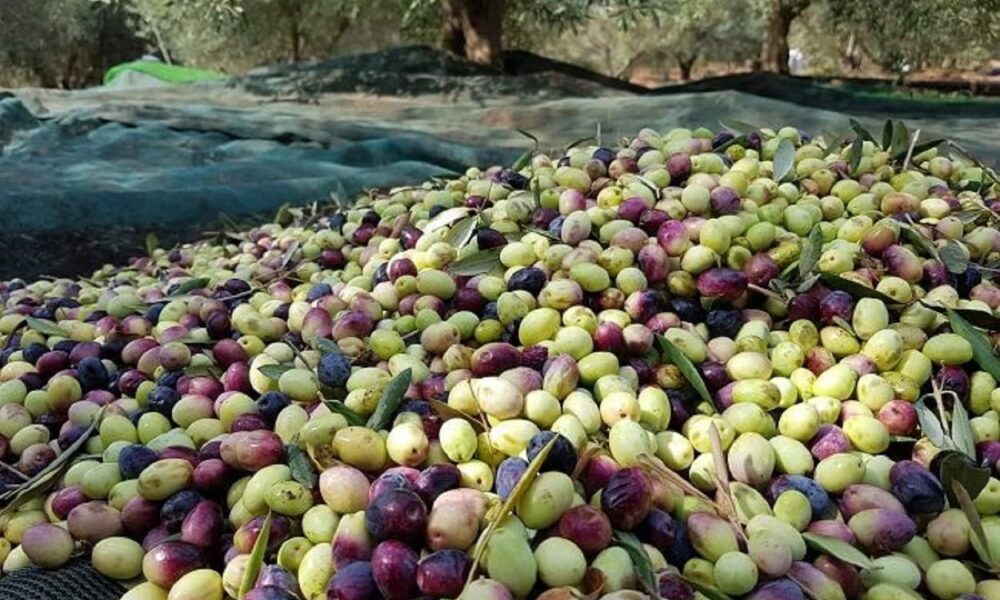
The olive harvest in the Kasserine governorate is estimated at about 100,000 tonnes for the 2026-2027 agricultural season, compared to 130,000 tonnes during the previous season. This slight decrease is attributed, according to the services of the Regional Commission for Agricultural Development, to the effects of the heatwave that affected the region during last summer, as well as to hailfalls that damaged plantations and fruits.
According to Fatma Halim, head of the plant production service at the Regional Commission for Agricultural Development of Kasserine, the start of the olive harvest should be advanced this season to mid-October, notably in the southern zones of the governorate. This decision is explained mainly by the early ripening of the fruits under the stress of heat endured by the trees during the summer, in addition to other factors.
In a statement to a journalist from the Tunis Afrique Presse Agency, Halim specified that the preparations for the season have notably focused on activating the regional commission responsible for monitoring its progress. This body has examined the recommendations relating to the transport of workers, as well as the setting of the opening and closing dates of the season. The regional commission responsible for the inspection of the oil mills has also begun inspection visits to verify their level of readiness before the start of activity.
Regarding preparations, she indicated that information days and practical sessions have been scheduled around the maintenance of olive groves, notably fertilization, pruning, as well as the fight against diseases and insects. Training sessions devoted to pruning olive trees are also planned as part of a development program.
She also noted that the total area of olive groves in the Kasserine governorate reaches about 145,000 hectares, i.e., nearly 40% of the area under consideration, while the number of olive trees approaches 15 million trees. The plantations are distributed between 40% rain-fed olive groves and 60% irrigated olive groves.
Fatma Halim finally emphasized that the region continues to see a continued expansion of areas devoted to the olive tree, especially in recent years. The local olive heritage is also distinguished by the predominance of young plantings and by their good sanitary condition, which strengthens the prospects for developing olive oil production and reinforces Kasserine’s position as an emerging agricultural hub in this field.