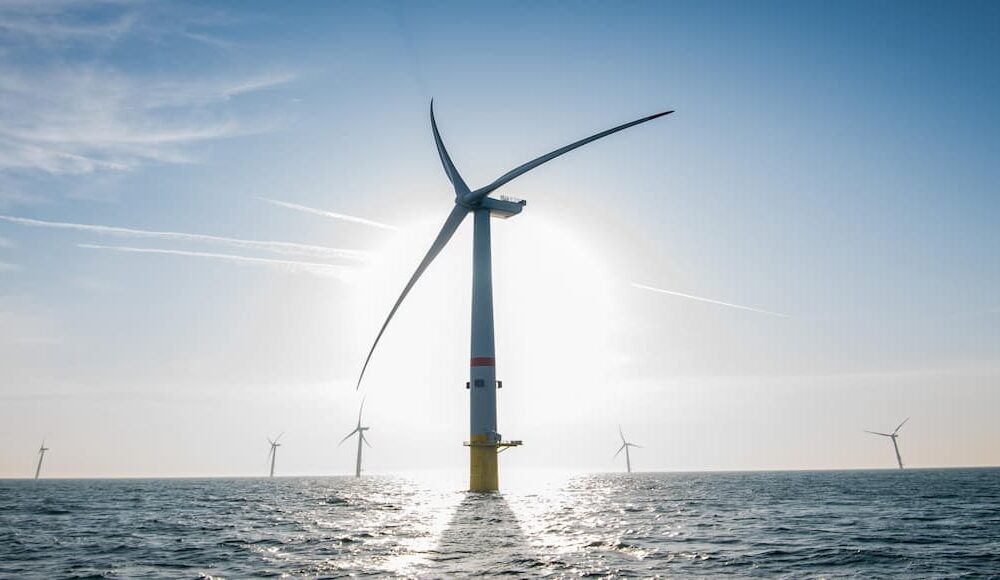
The European Union announced on Tuesday, June 9, the launch of trans-Mediterranean cooperation in renewable energy and clean technologies (T-MED), a flagship initiative within the Pact for the Mediterranean. T-MED aims to accelerate the development of renewable energy, hydrogen, the manufacture of clean technologies, and modern electricity grids in the Mediterranean region, by supporting a more integrated, sustainable, and interconnected Mediterranean energy market.
T-MED aims to mobilize up to €25 billion of investments expected by 2035. The European Commission has made available more than €5 billion in guarantee capacity under the European Fund for Sustainable Development Plus. This guarantee capacity will help unlock public and private investments in the sectors covered by T-MED.
By 2035, the initiative is expected to contribute to the development of 15 gigawatts of new renewable energy capacity, support regulatory reforms in partner countries, and help create more than 100,000 jobs in the clean energy sectors.
The EU indicated that T-MED would foster cross-border cooperation and strategic energy partnerships.
“By supporting the diversification of energy systems and supply chains, the initiative will strengthen energy security, enhance competitiveness, support decarbonization, and contribute to the region’s long-term prosperity and stability, for both the EU and its southern Mediterranean partner countries,” adds the EU.
As a reminder, the ELMED project is a true “energy bridge” between Italy and Tunisia, which will connect two major electrical systems: Europe’s and North Africa’s. Achieved through the synergy and cooperation between Terna and Steg, the electrical line will connect the Partanna station in Sicily to the Mlaabi station on the Cap Bon peninsula in Tunisia, over a total length of about 220 kilometers (of which about 200 km are submarine cable), with a capacity of 600 MW and a maximum depth of about 800 meters, reached along the Sicily Channel.