Key Points
- 919.8 MD: food trade surplus during the first nine months of 2026, compared with 621.3 MD a year earlier.
- +48%: year-on-year increase in the surplus (TN calculation).
- 116.3%: coverage rate at end-September 2026, up 3.5 points.
- +37.4%: increase in the value of olive oil exports, despite a decline in their average export price.
- +19.5%: rise in the value of cereal imports.
A faster growth in food exports than imports
Between January and September 2026, the value of Tunisian food exports rose by 19.9% compared with the same period in 2025, while the value of imports advanced by 16.3%.
This evolution contributed to an improvement in the food trade balance, whose surplus increased by 298.5 MD compared with the first nine months of the previous year (TN calculation).
The coverage rate, which measures the ratio of export value to import value, thus exceeded 116%, signaling a surplus of food product trade over the period considered.
| Indicator | 9 months 2025 | 9 months 2026 |
|---|---|---|
| Food surplus | 621,3 MD | 919,8 MD |
| Coverage rate | 112,8 % | 116,3 % |
| Evolution of food exports in value | — | +19.9 % |
| Evolution of food imports in value | — | +16.3 % |
Note: the variations in exports and imports correspond to the evolution between the first nine months of 2025 and those of 2026.
Olive oil, the main driver of the improvement in the food balance
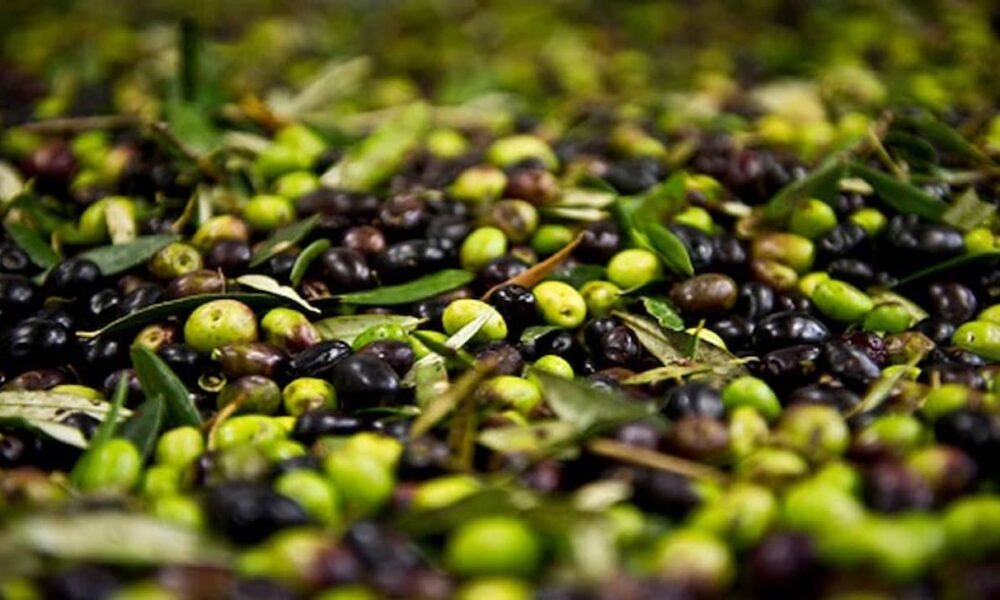
The growth of the food trade surplus is mainly explained by the 37.4% increase in the value of olive oil exports during the first nine months of 2026.
This rise occurs while the average export price of olive oil has fallen by 2.6% compared with the same period of 2025, to stand at 12.54 dinars per kilogram.
The rise in exported value despite the decline in the average price indicates a favorable change in the quantities shipped or in the export mix. The available data do not specify the exact volumes shipped.
Meanwhile, the value of cereal imports rose by 19.5%, which partially offset the positive contribution of olive oil exports to the trade balance.
Export prices: decline for olive oil, fishing products, and citrus
The evolution of average export prices varies across food products.
Besides the 2.6% decline for olive oil, prices for fishing products fell by 10.3%, while citrus prices declined by 12%.
Conversely, average export prices for tomatoes rose by 8.4%, while dates rose by a more modest 0.7%.
| Exported product | Variation of the average price |
|---|---|
| Olive oil | -2.6 % |
| Fisheries products | -10.3 % |
| Citrus | -12.0 % |
| Tomatoes | +8.4 % |
| Dates | +0.7 % |
Imports: decline in wheat prices, but rise for sugar and vegetable oils
On the import side, the average prices of several cereal products declined during the first nine months of 2026.
The sharpest drop concerns durum wheat, whose average import price fell by 13.5%. Soft wheat and maize prices declined more moderately, by 1.1% and 0.3% respectively.
By contrast, the average price of barley rose by 3.5%.
Other imported food products also saw increases: 9.4% for sugar and 4.7% for vegetable oils. Conversely, prices of milk and dairy products fell by 6.9%.
| Imported product | Variation of the average price |
|---|---|
| Durum wheat | -13.5 % |
| Soft wheat | -1.1 % |
| Maize | -0.3 % |
| Barley | +3.5 % |
| Sugar | +9.4 % |
| Vegetable oils | +4.7 % |
| Milk and derivatives | -6.9 % |
A strengthened surplus despite the growth in food purchases
The results for the first nine months of 2026 highlight an improvement in Tunisia’s food trade balance, in a context of simultaneous increases in exports and imports.
The faster growth in export value, particularly for olive oil, helped strengthen the surplus, despite the increase in expenditures on cereal imports.
These data concern exclusively the period from January to September 2026. They do not constitute a full-year balance and do not, on their own, allow predicting the evolution of the food trade balance during the last quarter.