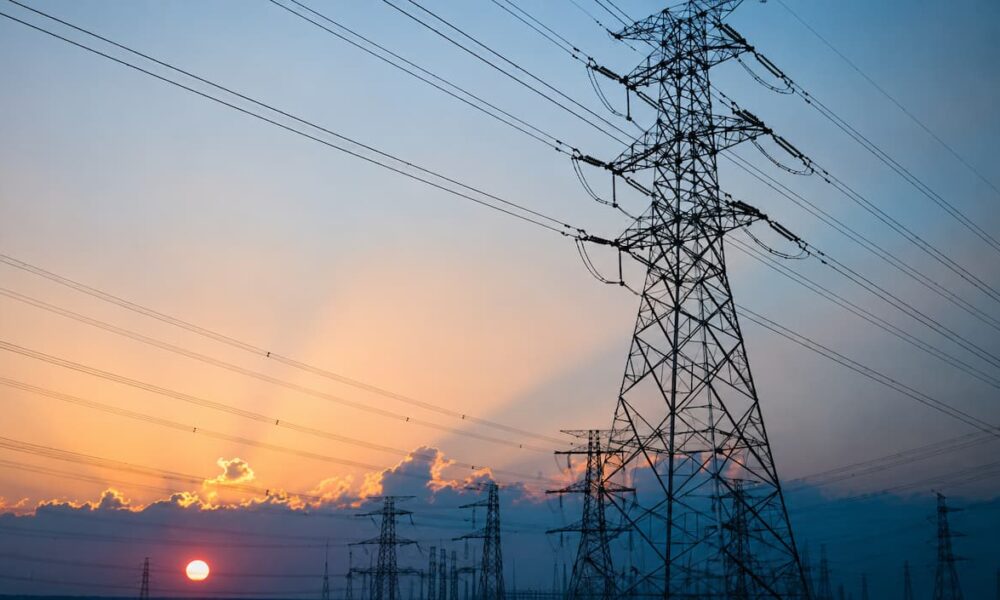
It is often believed that a country’s electrical security is measured by the size of its power plants. The year 2025 in Tunisia suggests the opposite. The electricity produced has risen, as have sales, and yet the system has not grown more robust, because nearly a fifth of the available energy was lost between the plant and the meter.
This loss clearly exceeds the volume the country had to buy from its Algerian and Libyan neighbors. The paradox is worth stating plainly. Tunisia worries about what it imports, while allowing more than it buys to evaporate. The country’s primary energy reservoir is not abroad; it lies in its own lines.
This finding comes from the Energy Yearbook 2025, published recently by the Tunisian Association of Oil and Gas (ATPG), which lays out the sector’s annual balance sheet. More than a snapshot of volumes, the document reveals an overarching logic: a system that compensates its fragilities with costly means, and that changes in nature without public debate having grasped the extent of this shift.
Produce more, but by the most demanding path
The rise in production in 2025 rests largely on combustion turbines, those fast units used to meet peak demand. They were called upon more, a sign that the base fleet can no longer suffice when demand surges, as on the scorching July afternoon that marked the year’s consumption peak. The fleet’s overall efficiency suffers as a result: it consumes more fuel for each unit of electricity delivered.
The fundamental issue lies elsewhere. Natural gas accounts for almost all domestic production. Each change in gas supply, whether it concerns Algerian contractual volumes or price, therefore directly reverberates on electricity. Tunisian electricity is, in fact, gas transformed, and the electricity question is first and foremost a gas question in disguise.
A dependency that recedes for the wrong reasons
Purchases of electricity from neighbors declined in 2025. One could view this as progress, but the report offers a more nuanced explanation. The limitation of contracted Algerian gas purchases mechanically reduced the volumes available.
The dependency has thus not receded by strategic choice; it has receded under constraint. It still accounts for more than a tenth of the available electricity, which is enough to keep the country exposed to the bargaining of its suppliers.
The sun passes from the operator’s hands to those of the citizens