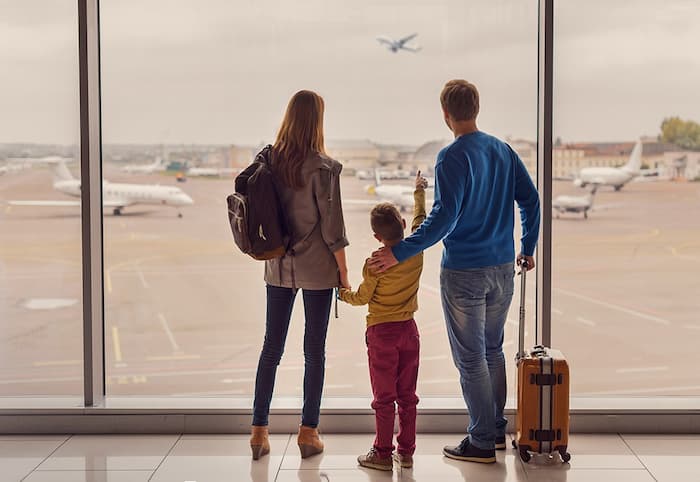
The cost of a trip can now rise even before the ticket is booked. In a matter of weeks, airfares can spike, routes be altered, hotel prices be revised, insurance become more expensive, and the daily budget on the ground disrupted by political or military events occurring thousands of kilometers from the chosen destination.
This is what the consequences of the American-Israeli war against Iran show today. Its effects are no longer limited to oil and energy markets. They are gradually reaching the global travel and tourism sector, making vacation planning more complex than before.
Fuel, the primary source of tension
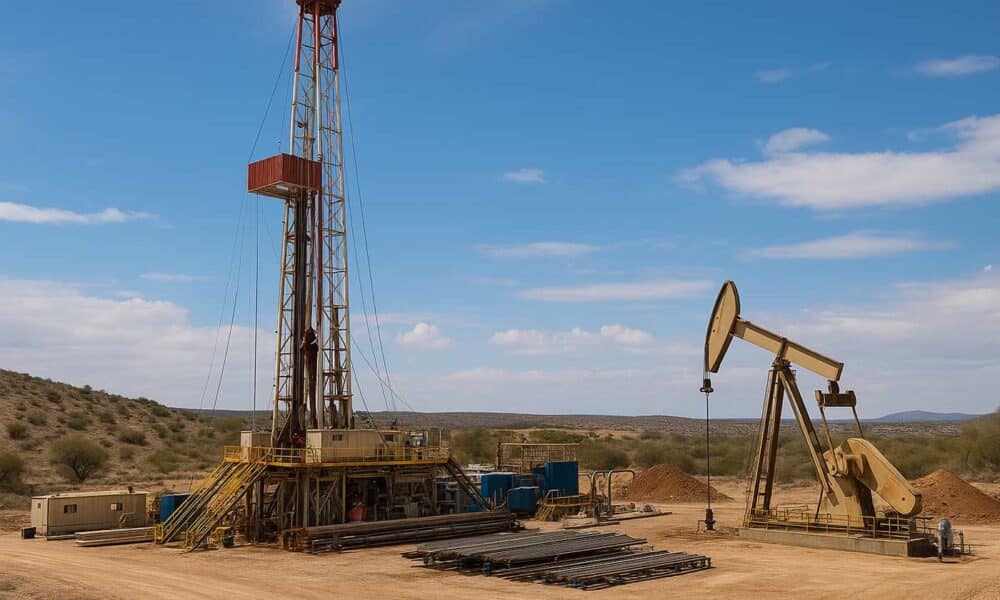
Since the escalation in the Middle East, oil prices have risen sharply. This increase puts direct pressure on airlines, already confronted with higher jet fuel costs and the need to modify certain routes to avoid airspaces deemed sensitive or risky.
Longer flights mean more travel time, more fuel consumption, and higher operating costs. For travelers, these charges often end up showing up in ticket prices, extra fees, or the overall cost of the trip.
According to estimates relayed by Reuters, the latest fuel increases linked to the war in Iran have added tens, even hundreds of dollars to the cost of certain long-haul routes. Major airlines have also cited losses running into billions of dollars since the start of the military escalation in February.
Travel is no longer merely a leisure expense
The most significant transformation concerns not only prices. It also touches the very way consumers think about their vacations. According to Forbes, many travelers no longer view their departure as a simple leisure expense, but as a financial decision to be managed with prudence.
The choice is no longer limited to finding the cheapest destination. It is now about choosing the most stable trip, the least exposed to bad surprises, and the most adaptable in case of abrupt changes.
According to Bloomberg, flexibility has become one of the sector’s main selling points. Customers now question agencies, airlines, and booking platforms about cancellation and modification conditions with as much attention as the price or included services.
The “defensive travel” is taking hold
According to Skift, a platform specializing in the travel industry, a trend toward “defensive travel” has taken hold in the past two years. The principle is simple: keep traveling, but limit financial risks as much as possible.
This trend is reflected in shorter stays, closer destinations, a renewed interest in domestic tourism, and, in Europe as in Asia, a more frequent use of trains when possible.
Even during vacations, spending evolves: many travelers favor essential experiences and reduce auxiliary purchases or activities deemed too costly.
Ten tips before booking
In this new context, travel and personal finance experts do not recommend canceling vacations, but organizing them differently.
First tip: compare the final cost, not just the introductory price. A ticket that seems cheaper can become more expensive once luggage, payment fees, insurance, or change conditions are added.
Second tip: read cancellation conditions carefully. A flexible ticket may cost more upfront, but avoid a large loss if the situation changes.
Third tip: do not commit all the funds before departure. Keeping a cash reserve allows you to cope with a route change, an extra night in a hotel, or an unforeseen expense.
Fourth tip: monitor exchange rates and banking fees. For Tunisian travelers, this factor can weigh heavily on the real budget, especially toward Europe, Turkey, or the Middle East.
Fifth tip: choose, when possible, less busy periods. Traveling outside peak demand often allows you to get better prices and reduces the risk of saturation of flights and hotels.
Why Tunisians are affected
For Tunisian families, this new reality is particularly important. A trip to Europe, the Middle East, Turkey, or another tourist destination is no longer calculated solely from the ticket price. One must now include exchange costs, insurance, possible schedule changes, on-site expenses, and the safety margin to keep.
In a context where purchasing power remains under pressure, a rise in the ticket, the accommodation, or the daily budget can alter the entire financial balance of a family stay.
NerdWallet, a platform specializing in personal finances, notes that many consumers now prefer to postpone a trip rather than incur debt or burden their credit cards with hard-to-repay expenses. This prudence reflects a broader evolution in the relationship with consumption after several years of inflation, crises, and economic uncertainty.
Travel well starts before booking
The way people travel thus becomes a reflection of the global economic climate. People do not necessarily give up on vacations, but they travel differently: with more calculation, more vigilance, and less improvisation.
The pursuit of the best price remains important, but it is no longer enough. The traveler now seeks a form of security in a world where the unforeseen has become a permanent component of travel.
Ultimately, the question is not only where to go, but how to go without weakening one’s finances. In a period where military crises, energy prices, currencies, and airline decisions can modify the cost of a stay in a matter of days, traveling well now starts before booking: through a careful reading of risk, budget, and the safety margin to keep.