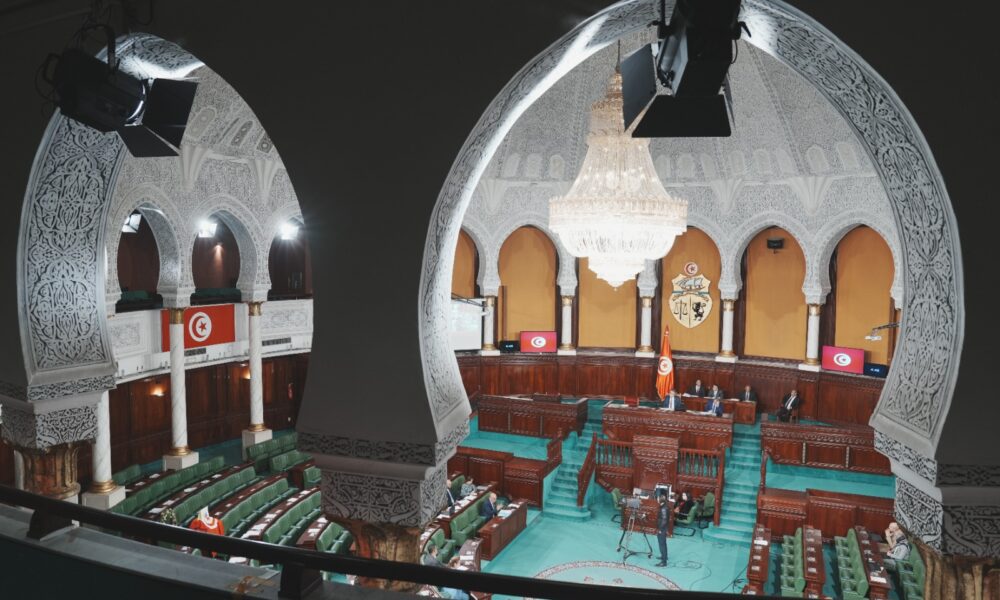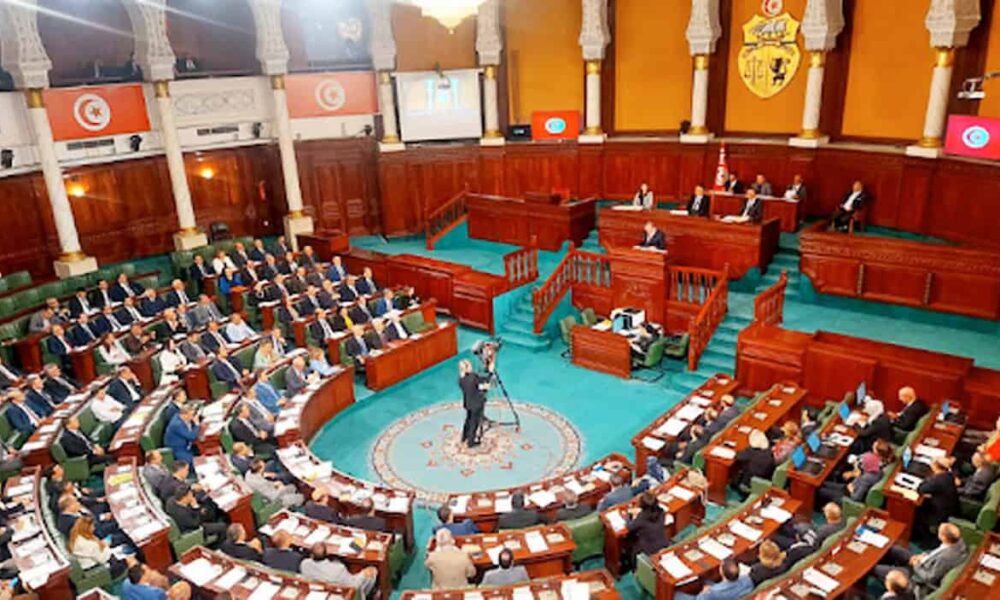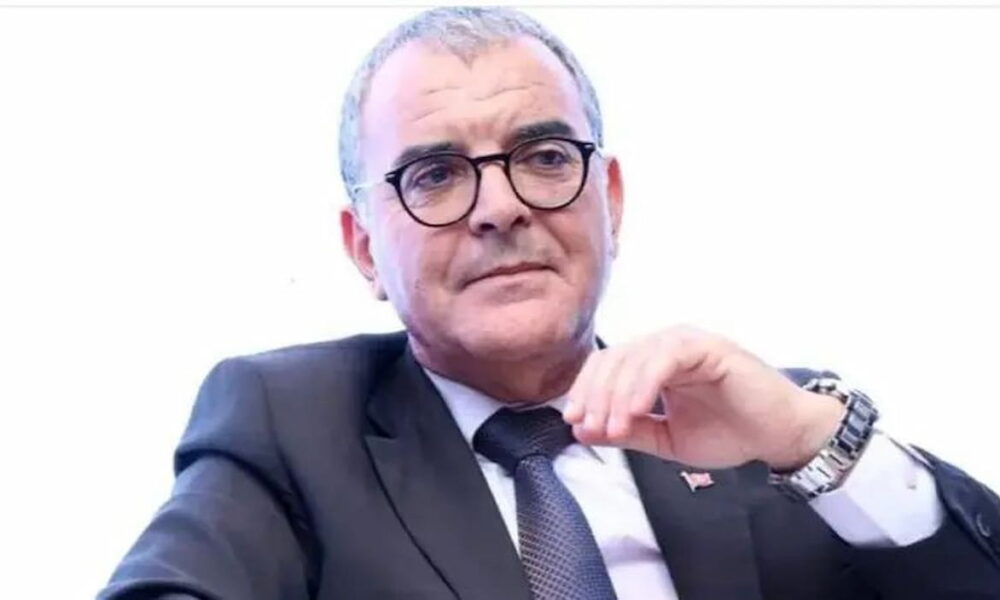
The Minister of Economy and Planning, Samir Abdelhafidh, stated on Tuesday evening at the Bardo Palace that his ministry does not directly intervene in price monitoring, but works to improve the economic supply and to strengthen growth with the aim of increasing individual income, which contributes to controlling prices and improving the purchasing power of citizens.
This clarification came in response to the question from Deputy Mohamed Amin El Wargi regarding government measures to monitor prices and improve purchasing power in the face of the record rises in prices of foodstuffs, notably meats and vegetables.
The minister highlighted that the Finance Law for 2026 provides for salary increases in both the public and private sectors, as well as pensions, whose rates and dates of entry into effect will be set by a later decree.
He also presented a series of economic measures, including support for investment, improving the business climate, strengthening regional programs, as well as the revision of the income tax to reduce the tax burden on middle and vulnerable categories.
Regarding support for vulnerable groups, the minister specified that there has been an increase in financial transfers to low-income families, in addition to a 7.5% increase in the guaranteed minimum wage from 2025, as well as other social measures concerning retirement pensions and electricity consumption.
Regarding inflation, Abdelhafidh indicated that the State had managed to gradually reduce its rate, from 7% in 2024 to around 5% in March 2026, based on the Consumer Price Index, which is updated according to consumption surveys conducted by the National Institute of Statistics.
Challenges for small and medium-sized enterprises
Meanwhile, Deputy Sami Al-Rais raised the situation of small and medium-sized enterprises (SMEs), which account for more than 75% of the economic fabric and generate up to 65% of jobs. He noted the difficulties they face in accessing financing and the rising cost of credit.
In response to the deputy’s question, the minister confirmed that several programs to support SMEs are in place, notably financial restructuring and assistance to struggling companies, as well as lines of financing and guarantee mechanisms.
He also announced that his ministry is finalizing the development of a national strategy for SME development, including an executive program to address structural problems, particularly difficulties in accessing financing, market access, and simplifying administrative procedures.
The minister also mentioned several measures included in recent Finance Laws, such as the creation of new financing lines, the restructuring of company debts, exemption from late payment interest, as well as interest-free loans to support small projects.
Regional development and projects in Sfax
In another matter, Deputy Hassan Al-Jerboui raised issues concerning the governorate of Sfax and the Menzel Chaker delegation, citing the region’s diminished role as an economic hub and the weakness of infrastructure and basic services in certain areas.
The minister confirmed that the development plan for 2026-2030 adopts an integrated approach between the regions and governorates, relying on proposals from elected councils, with the aim of achieving balanced development. He also mentioned several projects completed and planned in the governorate of Sfax, especially in the fields of roads, water, and infrastructure, as well as integrated development programs in several delegations, including Menzel Chaker, with a cost approaching several tens of millions of dinars. Although some of these initiatives have limited scale, they have a direct impact on improving the living conditions of citizens, especially in interior areas.