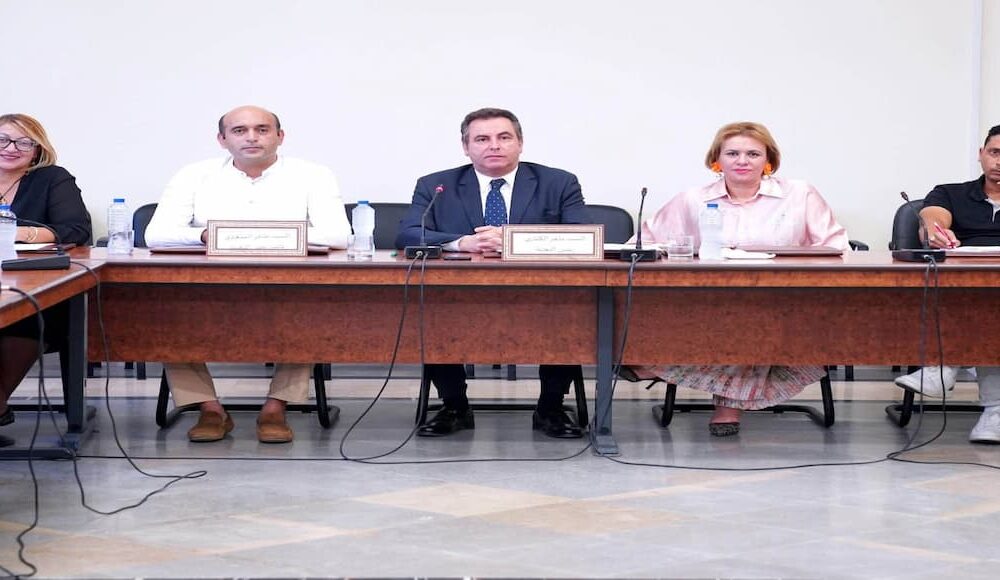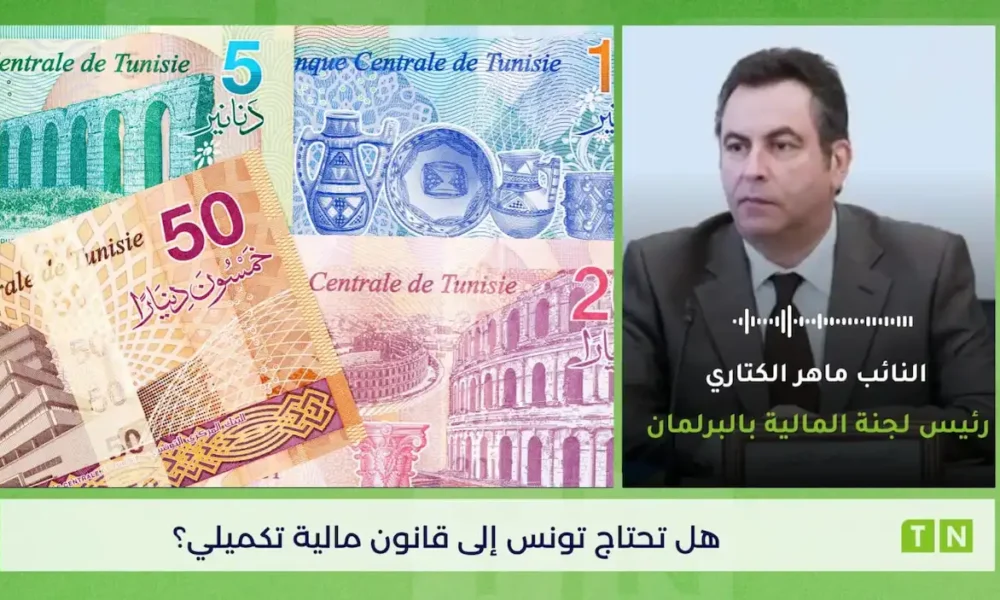
The president of the Finance and Budget Commission of the Assembly of the Representatives of the People, Maher Ketari, stated in an exclusive interview with Tunisia Numérique that the commission had decided to send a written correspondence to the Ministry of Finance to request a session in the presence of the Minister of Finance and the department’s directors-general.
This decision was taken following the commission meeting held on Monday, September 21, 2026. Several dossiers must be examined, including the execution of the State budget, the evolution of public finances, the hypothesis of a supplementary finance law for 2026, and the preparation of the 2027 budget.
A session requested with the Minister of Finance
Maher Ketari explained that the commission had mandated its president to send an official letter to the Ministry of Finance to request a working session with the minister and several directors-general.
Among the main dossiers that should be addressed is the execution report of the State budget, as of June 30, 2026.
According to Maher Ketari, this document should have been transmitted no later than July 31, 2026.
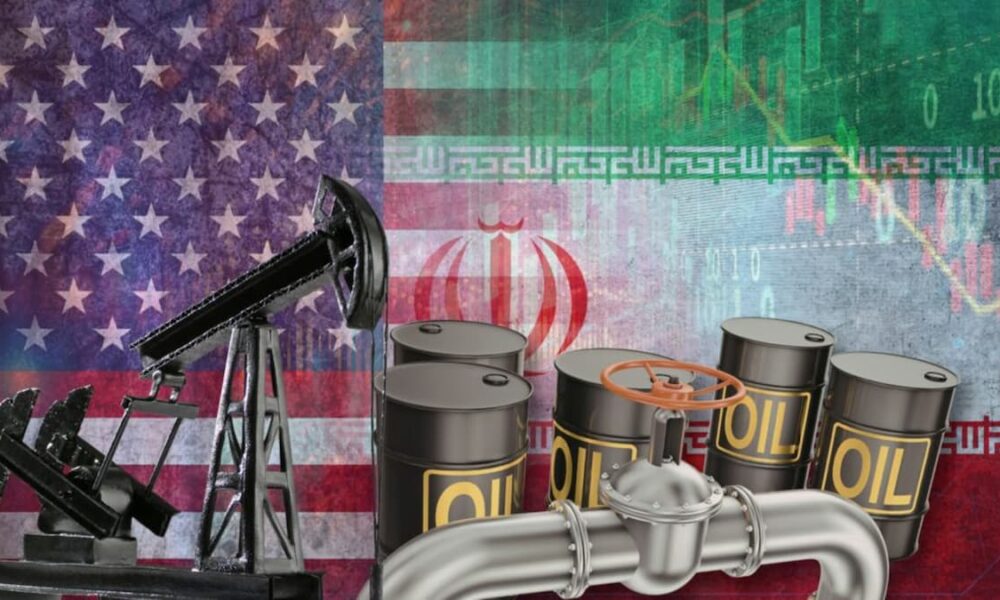
The commission also wishes to examine the evolution of public finances in a context marked, according to him, by rising oil and dollar prices.
The 2023 and 2024 budgets also at the center of discussions
The president of the commission also indicated that discussions had focused on the closure of the 2023 and 2024 budgets.
According to Maher Ketari’s assessment, this issue raises questions regarding compliance with Articles 26 and 27 of the Organic Budget Law.
Maher Ketari considers a supplementary finance law necessary
When asked about the possibility of a supplementary finance law for 2026, Maher Ketari stated that no official data at this stage confirmed that the Ministry of Finance was working on such a project.
However, he believes that a supplementary finance law has become necessary in view of energy price developments and their possible repercussions on the balances of public finances.
According to figures cited by Maher Ketari, the 2026 budget was built on the assumption of a barrel of oil at $63.5.
He asserted that the price per barrel had reached as high as $120, with an annual average he estimates at around $95.
That would represent, in his view, a gap of more than $30 compared to the assumption used in the 2026 budget.
Maher Ketari believes that this difference could have repercussions on public finances as well as on the growth rate.
A new method envisaged for the 2027 budget
The commission also discussed the methodology to be adopted when examining the State budget project for 2027.
According to Maher Ketari, it was decided to examine the first ten articles dealing with state revenues and expenditures before moving on to the study of the various ministerial missions.
The chairman of the commission also called for rationalization of public spending.
“As the state asks citizens to rationalize their consumption of energy, water and basic goods, the executive power must also rationalize its budget,” said Maher Ketari.
He added that the orientation advocated within the commission would be to request that the budgets of ministries not be increased in 2027, including the Presidency, so that the State, in his words, “leads by example in austerity.”
A study day on the Foreign Exchange Code planned after the parliamentary return
Maher Ketari also announced that the commission would request, as soon as possible after the planned October return to session, the organization of a study day devoted to the Foreign Exchange Code.
This meeting should bring together the main stakeholders, notably the Central Bank of Tunisia as well as the Ministries of Economy and Finance.
The objective, according to Maher Ketari, is to allow a comprehensive debate involving all stakeholders concerned with the matter.
A report outlining the main conclusions of this study day should then be prepared.
Maher Ketari specified that the commission could, subject to the agreement of its members, subsequently proceed to examining the Foreign Exchange Code project and to its vote article by article within the Finance and Budget Commission.