The Essentials
- The gram of 24-karat gold intended for manufacturing is announced around 397 dinars.
- New 18-karat gold ranges between 380 and 470 dinars per gram.
- 18-karat recycled gold varies between 300 and 305 dinars per gram.
- Demand for jewelry remains weak, while silver prices are announced as stable.
- Wajih Mesfar urges buyers to demand a detailed invoice.
The Gold Price: About $4,135 per Ounce
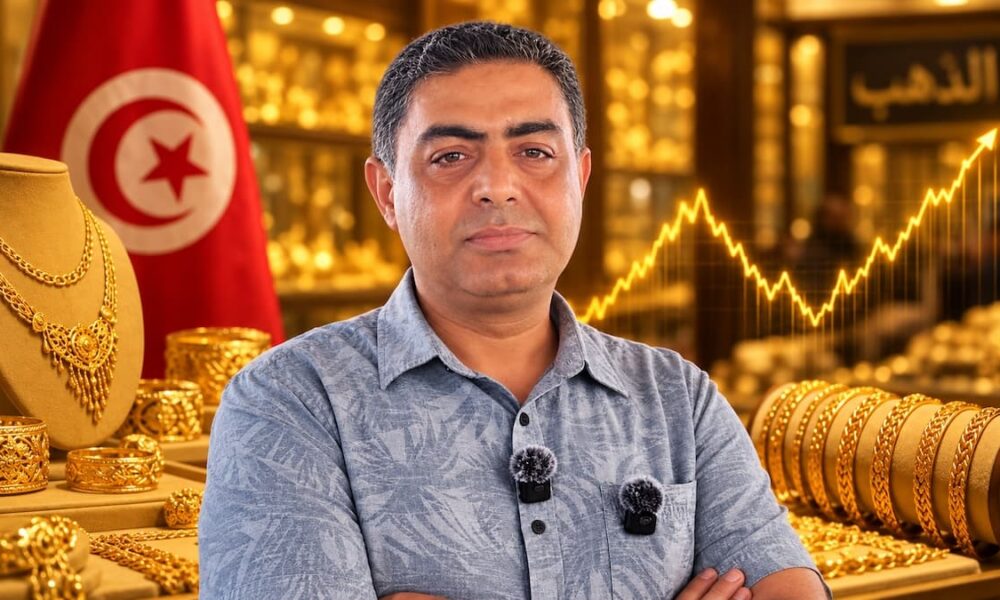
According to Wajih Mesfar, the price of an ounce of gold on the international market reaches around $4,135, while the gram of 24-karat gold intended for manufacturing sits at around 397 dinars on the Tunisian market.
The president of the Regional Chamber of Jewelry Artisans of Sfax notes a decline in prices in the current climate, which he regards as favorable to buyers.
Gold Prices in Tunisia: The Announced Ranges
The prices communicated by Wajih Mesfar show differences depending on the gold title and on whether they are new jewelry or what is called broken gold.
| Title of gold | New gold (DT/g) | Recovered gold (DT/g) |
|---|---|---|
| 18 karats | 380 to 470 | 300 to 305 |
| 9 karats | 220 to 250 | 130 to 140 |
Source: price ranges announced by Wajih Mesfar. Indicative amounts in Tunisian dinars per gram, subject to variation depending on the characteristics of the piece.
Mesfar notes that several elements influence the determination of the final price, notably the weight of the piece and its model, whether antique or modern. The presentation of minimum and maximum prices aims, in his view, to better inform consumers and to encourage visits to jewelry stores.
Limited Demand and a Still Fragile Silver Market
Regarding commercial activity, Wajih Mesfar reports a weak demand for jewelry. Artisans thus devote this period to crafting new pieces and preparing for the upcoming season.
For silver, he notes that prices have remained at their previous levels. He also highlights several difficulties surrounding the functioning of this market, particularly issues related to invoicing and the traceability of product origins.
A Case in the Jewelry Sector: The Question of Trust
Asked about recent developments concerning a case related to alleged activities of a criminal network that would involve, according to reported statements, traders and owners of jewelry manufacturing units, Wajih Mesfar expressed hope that this situation does not negatively affect the market.
He stressed the importance of preserving trust between consumers and jewelers. According to his statements, the gold marketed on the market would be legal and would not show signs of falsification, despite concerns raised by this case.
These statements reflect the position of the professional in charge and do not constitute an independent verification of all products marketed.
Buying Gold: Why Demand an Invoice?
Wajih Mesfar recommends that consumers systematically request an invoice with every purchase of gold jewelry.
He specifies that this document should notably include the merchant’s name, the weight of the jewelry, and its carat rating. These details allow the buyer to keep a record of the product’s characteristics.
Finally, the president of the Regional Chamber of Jewelry Artisans of Sfax concludes that gold remains, in his view, a particularly interesting investment, and that the current period presents a buying opportunity. This assessment is his opinion and not an investment recommendation.