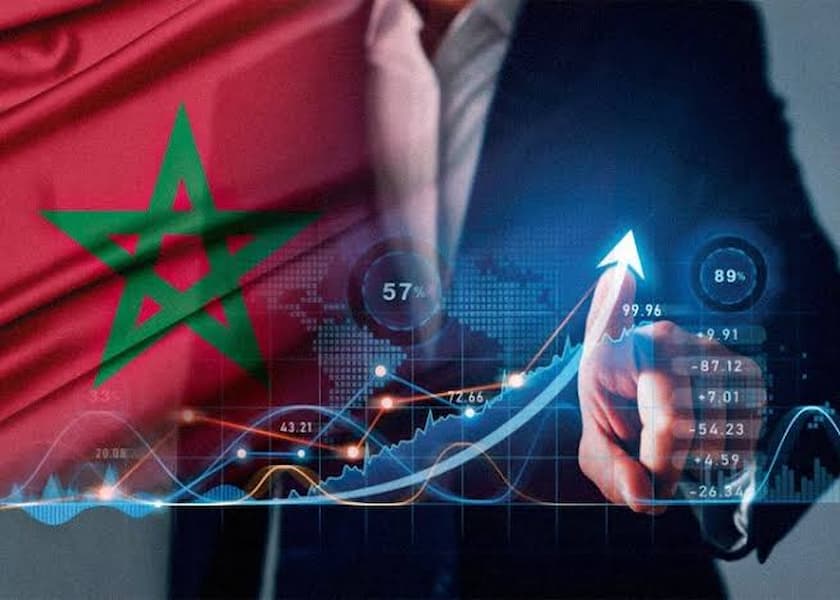
In the latest edition of its Morocco Economic Observatory, titled “Anchoring Growth: Digital Technology as a Driver of Productivity,” the World Bank states that the Moroccan economy is progressing at its fastest pace in more than ten years, supported by a surge in investments in infrastructure and by the rebound of the agricultural sector.
The Summer 2026 edition of the Observatory notes that, despite the solidity of macroeconomic fundamentals, the Kingdom’s next big leap in productivity will depend on the depth and breadth of the adoption of advanced digital technologies by businesses.
According to the World Bank report, real GDP growth reached about 4.9% in 2025, the best economic performance Morocco has recorded in ten years. This momentum was driven by the acceleration of public investment related to the preparations for the 2030 World Cup, as well as by the first signs of a rebound in the agricultural sector.
However, recently published labor market statistics present a more nuanced picture of the country’s still untapped potential. The broad indicators of underutilization of labor have thus reached 22.5%.
The inflation rate has fallen sharply, to a mere 0.8%, thereby easing the pressures accumulated in previous years on households and businesses.
The government has also made significant progress in public finances, bringing the budget deficit to 3.5% of GDP. Standard & Poor’s has, moreover, recently raised Morocco’s sovereign rating to the “investment” category.
Growth is expected to remain robust in 2026, at 4.2%, thanks to the continuation of investments and the strength of domestic demand.
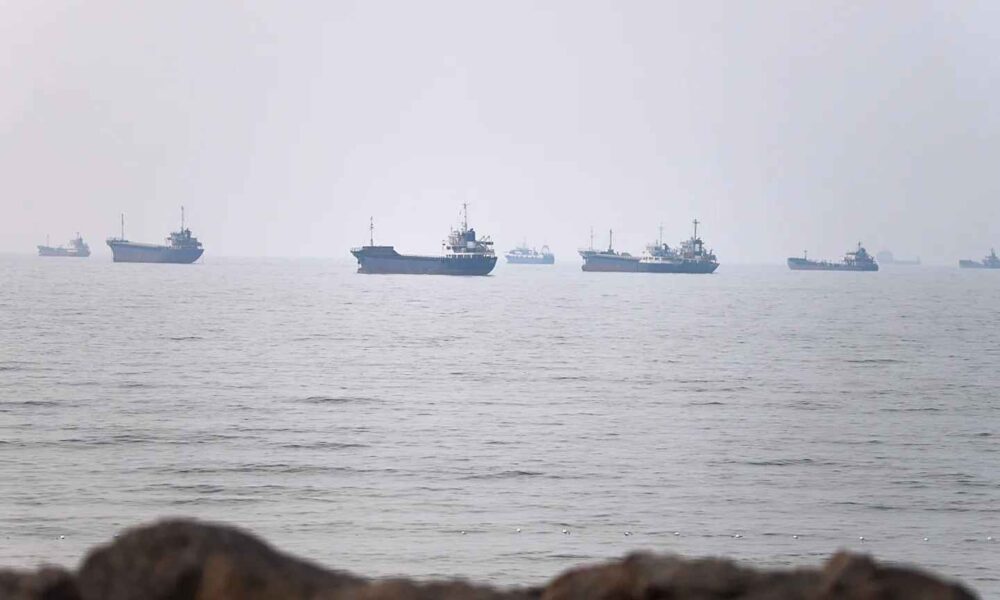
The report nevertheless adds that several headwinds persist, notably the repercussions of the Middle East conflict on the cost of energy imports and maritime transport rates. These factors would have reduced Morocco’s growth forecasts by about 0.8 percentage point compared with the level that could have been reached in the absence of the conflict.
In the longer term, the recurrence of drought episodes constitutes a persistent risk for agricultural production and for sectors dependent on water resources.
Morocco’s growth remains also sensitive to the pace of economic recovery among its main European trading partners. Domestically, structural difficulties in the labor market persist, particularly the low participation rate of women in the labor force.